Winning an Open School Board Seat
Voters are choosing a neighbor who will help shape the future of their local schools, oversee their public resources, hire and evaluate the superintendent, set district priorities, and represent the community's interests on behalf of their students. School boards establish the vision, ensure a high quality education, approve budgets, and serve as the link between the public, who are the parents, and the school system.
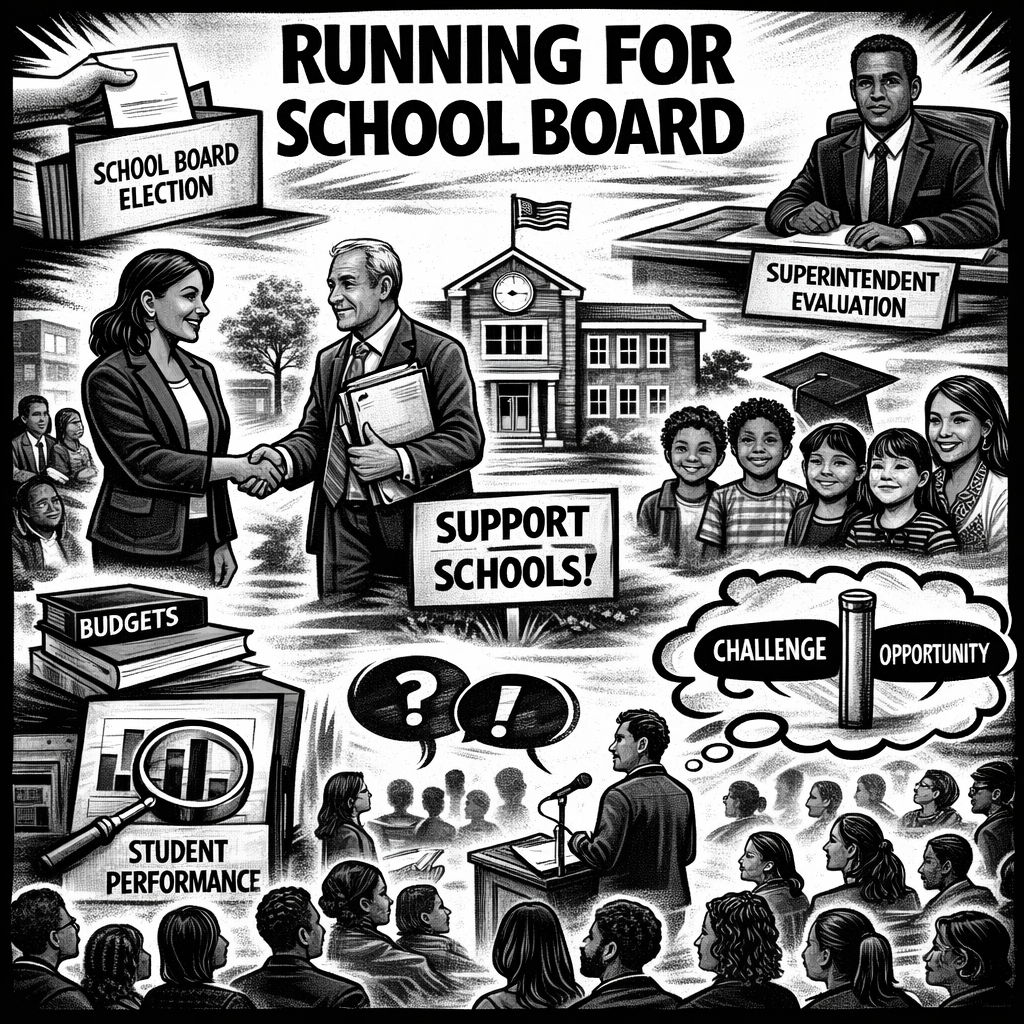
For candidates running for an open school board seat, this creates an opportunity and a challenge.
School board races receive little public attention. Voters often know very little about the candidates, and many elections experience significant turnover as incumbents leave office rather than seek reelection. As a result, voters frequently make decisions with limited information and limited direct engagement from candidates.
The candidates who succeed are the ones who build relationships with the community before asking for their support. Successful school board campaigns center on door canvassing.
Start With Your Why
Why are you running?
The best school board campaigns are rooted in a sincere commitment to students, families, educators, and the long-term success of the district. Candidates should understand the responsibilities of the board, attend meetings, study district policies, learn current challenges, and listen carefully to community concerns before proposing solutions.
A campaign message should emerge from that understanding. When voters ask why you're running, they should hear a clear, authentic answer grounded in service, not politics.
The Door Is Where Learning Happens
The most successful school board candidates understand their first job is learning. Door canvassing gives candidates something no advertisement, flyer, debate, or social media post can provide: direct access to the experiences of families, parents, grandparents, teachers, and community members.
At the door, candidates discover:
- What parents are most concerned about.
- What residents believe the district is doing well.
- Where trust has been lost.
- Which issues matter most in different neighborhoods.
- Who the respected community leaders are.
- Which supporters may become volunteers and advocates.
These conversations help candidates understand the community they hope to represent. This is their chance to demonstrate something voters consistently value in local leaders: the willingness to listen.
Every Part of the Campaign Should Support the Door Program
Signs matter. Flyers matter. Websites matter. Social media matters. But none of these activities should replace direct voter conversations. Instead, each campaign activity should support and reinforce the door program.
A voter may:
- Meet the candidate at their front door.
- Visit the campaign website afterward.
- Receive a flyer reinforcing the message.
- Attend a community event or house party.
- Speak with a volunteer who shares their concerns.
- Receive a reminder before Election Day.
Each interaction strengthens familiarity and trust. The conversation at the door becomes the foundation that makes every other campaign activity more effective.
Build a Community, Not Just a Voter List
School board campaigns are fundamentally community campaigns. Strong candidates do more than identify likely supporters. They build relationships with people who care deeply about their child's school.
Door canvassing helps identify:
- Parent leaders.
- PTA members.
- Teachers and retired educators.
- Youth sports coaches.
- Community volunteers.
- Faith and neighborhood leaders.
- Future campaign volunteers.
These individuals often become trusted messengers who introduce the candidate to additional voters through their personal networks. Support spreads most effectively through relationships.
Campaign Like You Intend to Govern
One of the most overlooked advantages of door canvassing is that it develops habits that make candidates better board members after the election.
Effective school board members engage with the community, monitor concerns, advocate for students, and maintain strong connections between the district and the public. These same skills are developed through a thoughtful canvassing program.
Candidates who spend months listening to residents often enter office with a deeper understanding of the district and a stronger network of community relationships than candidates who rely primarily on advertising.
The campaign becomes preparation for leadership.
Winning Starts Long Before Election Day
Successful school board campaigns are built around conversations. The candidate who consistently shows up, listens carefully, learns from the community, and builds authentic relationships creates something far more valuable than name recognition. They build trust.
In local school board elections, trust is often the difference between a candidate who is merely known and a candidate who earns the privilege of representing the community's students, families, and schools. The most effective school board campaign is the campaign that spends the most time listening.
How Winning Campaigns Apply This
Winning school board campaigns clarify why they are running, learn directly from residents through canvassing, identify trusted local messengers, and let every later touch reinforce the credibility built through those conversations.
How BRB Campaigns Supports This
brb Campaigns helps school board candidates organize walk lists, track community concerns, identify parent and neighborhood leaders, and connect early listening to follow-up outreach and final GOTV execution.
Related BRB workflow: Door canvassing, community listening, supporter follow-up, and school board turnout execution
Key Takeaways
- Open school board elections often happen in low-information environments, so direct voter relationships matter more than candidates assume.
- Door canvassing is valuable not only for persuasion but for learning what families, educators, and neighborhoods most need from local leadership.
- The strongest school board campaigns use every other campaign asset to reinforce what begins at the door: trust, familiarity, and community connection.